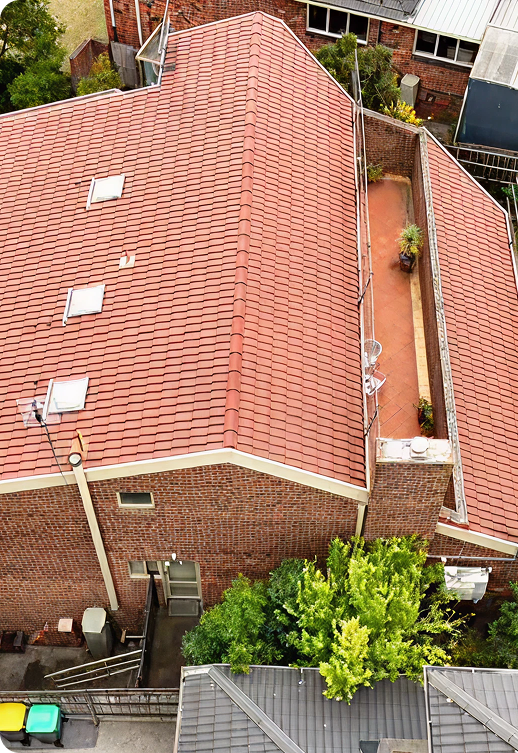
Melbourne homes take a real beating from summer heat, storms and prevailing UV exposure before the cooler months set in. Scheduling roof maintenance each autumn, rather than waiting until a leak appears in winter, is one of the simplest ways to protect a roof and avoid a much larger repair bill later.
At Modern Seal Roofing, we work through the same roof maintenance checklist on Melbourne roofs every autumn, drawing on more than 25 years of experience across the South Eastern and Eastern suburbs to know exactly where problems tend to start.
In this blog, we will understand what should be on an autumn roof maintenance checklist for Melbourne homes, how to identify storm and UV damage before winter, why clearing gutters and downpipes matters ahead of the wet season, and when it makes sense to book a professional roof inspection.
What Should Be on an Autumn Roof Maintenance Checklist in Melbourne
An autumn roof maintenance checklist for Melbourne homes should cover a visual roof inspection, gutter and downpipe clearing, a check for loose or cracked tiles and fixings, flashing and valley checks, and a professional assessment of any areas that look uncertain. Completing these steps before the wetter winter months gives a roof the best chance of getting through the season without a surprise leak.
Working through the checklist in order matters almost as much as the checklist itself. Starting with a visual inspection from the ground or a stable vantage point identifies the areas that need closer attention, so gutters, flashings and tiles can be checked in the right sequence rather than rushed through all at once.
Keeping a simple written or photo record of what was checked each autumn also makes it easier to spot changes year on year, such as a tile that has shifted slightly further or a section of flashing that looks more worn than it did twelve months earlier.
Identifying Storm and UV Damage Before Winter
Identifying storm and UV damage early, before winter rain gets underneath it, is one of the most valuable parts of an autumn maintenance routine. Melbourne's summer combines intense UV exposure with occasional severe storms, and both take a toll on roofing materials in ways that are not always obvious from ground level.
Cracked or lifted tiles, rusted or loosened fixings, and damaged flashing around chimneys and vents are the most common issues an autumn check identifies. Left unaddressed, even a small gap is enough for water to track into the roof cavity once winter rain sets in, so finding these issues in autumn rather than waiting for a visible leak saves considerably more in repairs.
Clearing Gutters and Downpipes Ahead of Winter Rain
Clearing gutters and downpipes ahead of winter rain is one of the simplest maintenance steps and one of the most commonly skipped. Leaves and debris that build up over summer block water flow, and a blocked gutter during a heavy winter downpour can force water back under roof tiles or over the edge of a fascia.
A thorough gutter clean also includes checking downpipes for blockages further down the line, not just the visible sections. Gutter guards can reduce how often this needs to be done, though they still need periodic checking rather than being treated as a permanent fix.
Checking that gutters are still pitched correctly toward the downpipes is worth doing at the same time, since a gutter that has sagged slightly over the years can hold standing water even after debris has been cleared, which slowly encourages rust or rot at the fascia line.
Melbourne homes take a real beating from summer heat, storms and prevailing UV exposure before the cooler months set in. Scheduling roof maintenance each autumn, rather than waiting until a leak appears in winter, is one of the simplest ways to protect a roof and avoid a much larger repair bill later.
At Modern Seal Roofing, we work through the same roof maintenance checklist on Melbourne roofs every autumn, drawing on more than 25 years of experience across the South Eastern and Eastern suburbs to know exactly where problems tend to start.
In this blog, we will understand what should be on an autumn roof maintenance checklist for Melbourne homes, how to identify storm and UV damage before winter, why clearing gutters and downpipes matters ahead of the wet season, and when it makes sense to book a professional roof inspection.
What Should Be on an Autumn Roof Maintenance Checklist in Melbourne?
An autumn roof maintenance checklist for Melbourne homes should cover a visual roof inspection, gutter and downpipe clearing, a check for loose or cracked tiles and fixings, flashing and valley checks, and a professional assessment of any areas that look uncertain. Completing these steps before the wetter winter months gives a roof the best chance of getting through the season without a surprise leak.
Working through the checklist in order matters almost as much as the checklist itself. Starting with a visual inspection from the ground or a stable vantage point identifies the areas that need closer attention, so gutters, flashings and tiles can be checked in the right sequence rather than rushed through all at once.
Keeping a simple written or photo record of what was checked each autumn also makes it easier to spot changes year on year, such as a tile that has shifted slightly further or a section of flashing that looks more worn than it did twelve months earlier.
Identifying Storm and UV Damage Before Winter
Identifying storm and UV damage early, before winter rain gets underneath it, is one of the most valuable parts of an autumn maintenance routine. Melbourne's summer combines intense UV exposure with occasional severe storms, and both take a toll on roofing materials in ways that are not always obvious from ground level.
Cracked or lifted tiles, rusted or loosened fixings, and damaged flashing around chimneys and vents are the most common issues an autumn check identifies. Left unaddressed, even a small gap is enough for water to track into the roof cavity once winter rain sets in, so finding these issues in autumn rather than waiting for a visible leak saves considerably more in repairs.
Clearing Gutters and Downpipes Ahead of Winter Rain
Clearing gutters and downpipes ahead of winter rain is one of the simplest maintenance steps and one of the most commonly skipped. Leaves and debris that build up over summer block water flow, and a blocked gutter during a heavy winter downpour can force water back under roof tiles or over the edge of a fascia.
A thorough gutter clean also includes checking downpipes for blockages further down the line, not just the visible sections. Gutter guards can reduce how often this needs to be done, though they still need periodic checking rather than being treated as a permanent fix.
Checking that gutters are still pitched correctly toward the downpipes is worth doing at the same time, since a gutter that has sagged slightly over the years can hold standing water even after debris has been cleared, which slowly encourages rust or rot at the fascia line.
When to Book a Professional Roof Inspection
Booking a professional roof inspection makes sense whenever a visual check turns up something uncertain, or when a roof has not been properly assessed in several years. A professional inspection covers areas that are difficult or unsafe to check from ground level, including the full roof cavity, valleys and flashing details.
Autumn is a practical time to book this kind of inspection, since it allows any issues found to be addressed before winter weather makes repairs more difficult and before trades become busier heading into the colder months.
Why Choose Modern Seal Roofing
Modern Seal Roofing has carried out roof maintenance, inspections and restorations across Melbourne's South Eastern and Eastern suburbs, including Brighton, Vermont South, Surrey Hills, Wheelers Hill, Mordialloc and Clayton South, for more than 25 years. Every inspection is completed by our own licensed and insured team rather than subcontractors, so the same standard of assessment applies wherever a job is booked.
A free 12 month follow up inspection is included with our restoration and maintenance work, and every job carries a 10 year written workmanship guarantee, giving homeowners a clear record of what was checked and completed.
Conclusion
An autumn roof maintenance checklist is one of the most cost effective ways to protect a Melbourne home before winter arrives. Identifying storm and UV damage early, clearing gutters properly and booking a professional inspection when something looks uncertain all add up to a roof that handles the wet season without surprises. For a thorough autumn roof inspection anywhere across Melbourne's South Eastern and Eastern suburbs, call Modern Seal Roofing on 0413 464 666.
Booking a professional roof inspection makes sense whenever a visual check turns up something uncertain, or when a roof has not been properly assessed in several years. A professional inspection covers areas that are difficult or unsafe to check from ground level, including the full roof cavity, valleys and flashing details.
Autumn is a practical time to book this kind of inspection, since it allows any issues found to be addressed before winter weather makes repairs more difficult and before trades become busier heading into the colder months.
Why Choose Modern Seal Roofing
Modern Seal Roofing has carried out roof maintenance, inspections and restorations across Melbourne's South Eastern and Eastern suburbs, including Brighton, Vermont South, Surrey Hills, Wheelers Hill, Mordialloc and Clayton South, for more than 25 years. Every inspection is completed by our own licensed and insured team rather than subcontractors, so the same standard of assessment applies wherever a job is booked.
A free 12 month follow up inspection is included with our restoration and maintenance work, and every job carries a 10 year written workmanship guarantee, giving homeowners a clear record of what was checked and completed.
Conclusion
An autumn roof maintenance checklist is one of the most cost effective ways to protect a Melbourne home before winter arrives. Identifying storm and UV damage early, clearing gutters properly and booking a professional inspection when something looks uncertain all add up to a roof that handles the wet season without surprises. For a thorough autumn roof inspection anywhere across Melbourne's South Eastern and Eastern suburbs, call Modern Seal Roofing on 0413 464 666.