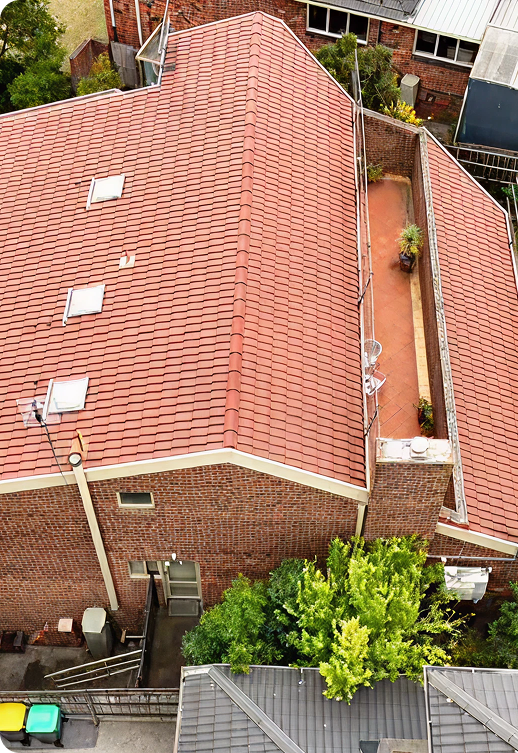
After a storm tears through Melbourne, the damage to your home’s roof is not always obvious. Many homeowners walk outside, see a couple of leaves on the lawn, and assume everything is fine. Days or even weeks later, they notice a damp patch spreading across the ceiling, and by then the repair bill has grown considerably.
At Modern Seal Roofing, Melbourne's trusted roofing specialists, we see this situation regularly. This blog will help you identify hidden roof damage after a storm before small issues turn into expensive problems, covering everything from roof repair in Melbourne to spotting cracked tiles, blocked gutters, and compromised flashing.
Why Do Melbourne Storms Cause Hidden Roof Damage?
Melbourne is notorious for its unpredictable weather. Intense hailstorms, driving winds, and sudden downpours put enormous pressure on roof systems. The problem is that storm damage is often structural rather than surface-level. A tile may look intact from the ground but have a hairline crack letting water in slowly. Flashing around chimneys can shift just a millimetre and still allow rain to seep underneath. Gutters can fill with debris during a storm and push water back under the roof edge without you ever seeing it overflow.
Because Melbourne weather moves fast, many homeowners inspect only during daylight immediately after a storm. By that point, the most telling signs are hidden inside your roof cavity, ceiling space, and wall cavities. A proper post-storm check covers both the outside and inside of your home.
Do You Have Water Stains or Damp Patches on Your Ceilings?
Interior water stains are one of the earliest and most reliable indicators of a roof leak after a storm. Yellow or brown rings on your ceiling indicate water has pooled between the roof and the plasterboard. These stains are sometimes small when you first notice them but expand with every subsequent rainfall.
What to look for:
- Yellow or brown stains on ceilings, particularly near ceiling roses or light fixtures
- Bubbling or peeling paint on ceilings and upper walls
- Soft or spongy plaster that gives slightly when pressed
- Musty or damp smell in rooms above which the roof sits
- Damp patches that grow darker during or after rainfall
If you spot any of these signs, contact a specialist for leaking roof replacement in Melbourne immediately. Delaying even a few weeks allows mould to establish inside wall and ceiling cavities, which creates additional remediation costs.
Are Your Home’s Roof Tiles Cracked, Lifted, or Missing?
Damaged tiles are the most common form of storm roof damage in Melbourne, yet they are surprisingly easy to miss from street level. High winds dislodge tiles without sending them crashing to the ground. A tile may shift just enough to create a gap while appearing visually intact from below.
How to check from the ground safely:
- Stand at ground level and use binoculars to scan along each row of tiles from the ridge down to the eaves
- Look for tiles that sit at a different angle to their neighbours
- Cracked tiles often have a thin dark line running across their surface
- Missing tiles leave a visible gap and expose the underlayment to direct rainfall
- Granule loss on concrete tiles appears as small patches of lighter colour where the protective coating has been stripped
Even a single displaced tile can allow significant water ingress during a Melbourne downpour. If you identify any of these signs, book professional roof repairs in Melbourne before the next rain event.
Is the Flashing Around Your Chimney, Vents, or Skylights Damaged?
Flashing is the thin metal strip that seals the joins between your roof tiles and fixed structures such as chimneys, vents, and skylights. It is one of the most vulnerable points on any Melbourne roof during a storm because strong winds get underneath it and lift or separate it from the roof surface.
Signs of compromised flashing:
- Lifted or bent flashing that no longer sits flush against the chimney or vent
- Rust staining running down from flashing edges onto tiles below
- Visible gaps between the flashing and the adjacent surface
- Water marks on the interior wall near a chimney or skylight
- Peeling paint or efflorescence (white salt deposits) on interior brickwork near the fireplace
Even a small gap in flashing allows rain to track into the roof cavity during every subsequent storm. Roof leak detection in Melbourne by a professional often reveals that the source of an interior water stain is not directly above where the stain appears but originates at a flashing failure several metres away.
Are Your Home’s Roof Gutters Blocked, Overflowing, or Holding Granules?
Gutters play a critical role in directing stormwater away from your roof and foundations. After a storm, they are often the most visible indicator of broader roof health problems.
What to check in your gutters:
- Excess granules or tile grit collected in the gutter base indicate your tiles are losing their protective coating and are ageing faster than expected
- Overflowing water during moderate rainfall suggests a blockage is forcing water back under the roof edge
- Sagging gutter lines indicate the weight of trapped debris or water is pulling the gutter away from the fascia
- Damp or rotting fascia boards behind the gutter suggest prolonged water overflow
- Rust or holes in the gutter allow water to drip directly onto the soil next to foundations
Blocked gutters are one of the leading causes of roof leaks in heavy rain in Melbourne homes. Clearing them before storm season and after every major weather event is one of the simplest forms of roof restoration in Melbourne you can do.
What Does Your Roof Cavity Look Like After the Storm?
The roof cavity, or attic space, is where hidden storm damage reveals itself most clearly. Most homeowners never inspect this area, yet it provides a direct view of the underside of the roof structure and is the first place water appears when tiles or flashing fail.
How to inspect your roof cavity after a storm:
- Wait until daylight and access the roof cavity via your manhole cover
- Turn off your torch for 30 seconds and look for pinpricks of daylight, which indicate gaps in the tile or ridge capping
- Check insulation for damp patches or dark discolouration, which signal active water ingress
- Look for black mould patches on timber rafters or purlins, which indicate a leak that has been occurring for some time
- Feel along timber beams near the eaves for soft or spongy wood, a sign of early rot from moisture exposure
If you find any evidence of moisture in the roof cavity, arrange leaking roof repairs in Melbourne urgently. Wet timber weakens the structural integrity of the roof over time and creates the ideal conditions for mould to spread into ceiling insulation and walls.
Are Granules Appearing in Your Downpipes or Around Your Property?
Finding dark, coarse grit around your downpipe outlets or on pathways below your roof is a significant warning sign. Concrete roof tiles have a protective granule layer that resists UV degradation and weathering. Storms with high-velocity rain or hail accelerate granule loss, effectively stripping your tiles of their protective surface.
Why this matters:
- Granule loss exposes the raw tile substrate to direct sun and rain, accelerating deterioration
- Tiles stripped of granules absorb water more readily and are more prone to cracking in freeze-thaw conditions
- Widespread granule loss across multiple tiles may indicate that a full roof restoration is more cost-effective than individual tile repairs
A qualified Melbourne roof repair specialist can assess the extent of granule loss and advise whether restoration, recoating, or replacement is the right approach for your home.
Does Your Roof Have a Sagging Roofline or Uneven Ridge?
A sagging or uneven roofline is one of the most serious signs of storm damage and should be treated as an emergency. It indicates that the structural timbers supporting the roof have been compromised, either by water-logged insulation adding weight to the structure, by wind uplift partially dislodging rafters, or by pre-existing rot made worse by the storm.
How to identify a sagging roofline:
- Stand back from your home and look along the ridge line. It should appear as a perfectly straight horizontal line
- Any visible dip or bow in the ridge line requires immediate professional assessment
- Inside the home, check whether ceiling cornices have cracked or separated from the wall
- Doors or windows that suddenly stick or will not close properly after a storm can indicate the frame has shifted due to roof structural movement
Do not attempt to access a sagging roof. Call Modern Seal Roofing on 0413 464 666 for urgent inspection. A sagging roof can collapse without warning if the structural damage is severe.
Are There Unusual Sounds or Drafts in Rooms Below the Roof?
After a storm, new sounds or temperature changes inside the home can point to roof damage that is not yet visible. Dripping or ticking sounds during rainfall suggest water is entering through a small gap and running along a rafter before dripping into the ceiling cavity. A room that feels noticeably colder or draughtier after a storm may indicate that wind has lifted or displaced tiles, allowing outside air to penetrate the ceiling insulation.
Signs to listen and feel for:
- Dripping sounds from above the ceiling during or after rainfall
- Ticking or creaking sounds as wet timber swells and contracts
- Cold drafts in rooms that were previously well-insulated
- A persistent damp smell that was not present before the storm
When Should You Call a Professional for Roof Repairs in Melbourne?
Not all post-storm checks can be completed safely from the ground or from inside your ceiling cavity. Climbing onto your roof without professional training and appropriate safety equipment is dangerous and in many cases is not permitted under WorkSafe Victoria guidelines for residential roofing.
Call Modern Seal Roofing for a professional roof inspection if:
- You have identified any of the signs listed above during your ground-level or ceiling-cavity check
- Your roof is more than 15 years old and has not been professionally inspected in the past 12 months
- Your area experienced hail, given that hail damage is frequently not visible without close inspection by a trained eye
- You experienced roof leaks in heavy rain during the storm or in the days following it
- You are planning to make an insurance claim and need a detailed professional assessment report
Modern Seal Roofing uses moisture meters and thermal imaging cameras to locate hidden roof leaks that are invisible to the naked eye. Early professional roof leak detection in Melbourne can save thousands of dollars in unnecessary ceiling, wall, and insulation replacement.
How Can You Prevent Hidden Damage in Future Melbourne Storms?
Prevention is always cheaper than repair. The following routine maintenance steps significantly reduce your risk of hidden storm damage:
- Professional roof inspection twice a year, before storm season (spring) and after summer
- Clean gutters and downpipes at least twice a year and after every major storm
- Trim overhanging branches that can deposit debris on the roof or break during high winds
- Replace cracked or slipping tiles as soon as they are identified
- Have flashing resealed around all penetrations every five to seven years
- Book a roof restoration if your tiles are more than 15 to 20 years old to restore the protective coating and reseal ridge capping
Why Choose Modern Seal Roofing for Roof Repairs and Restoration in Melbourne?
Modern Seal Roofing has been serving Melbourne homeowners across Glen Waverley, Clayton South, Mulgrave, Wheelers Hill, Rowville, Doncaster, Box Hill, Blackburn, Wantirna, and surrounding south-eastern suburbs for many years. Our licensed roofing specialists provide:
- Full post-storm roof inspections using moisture meters and thermal cameras
- Leaking roof repairs in Melbourne for tile, metal, and Colorbond roofs
- Roof leak detection in Melbourne to locate the exact source of water ingress
- Re-bedding and re-pointing of ridge capping to reseal storm-damaged joints
- Tile replacement using matched materials for a seamless finish
- Gutter repair and replacement in Colorbond colours to suit your home
- Full roof restoration Melbourne including cleaning, recoating, and resealing
- Roof replacement Melbourne for roofs that have reached the end of their serviceable life
All work is completed by licensed tradespeople, carried out in compliance with Australian Standards, and backed by a written warranty. Call us on 0413 464 666 or 1800 466 094 to book a post-storm inspection.