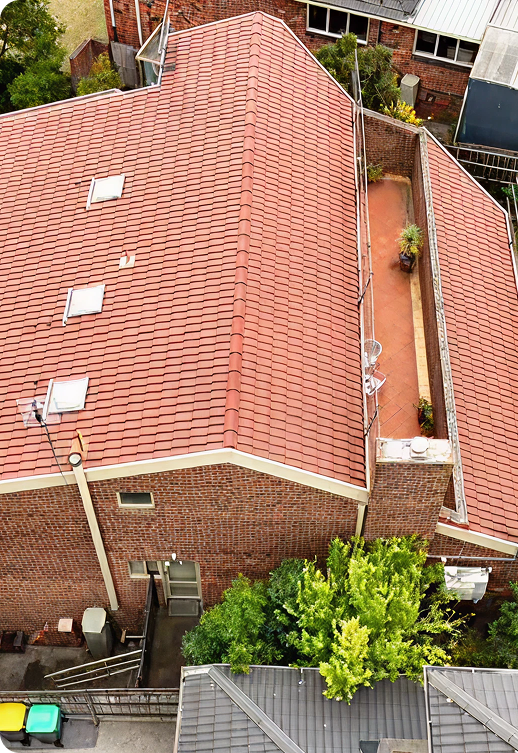
Most Melbourne homeowners don't think much about what's growing on top of their house until the damage is already done. At Modern Seal Roofing, we see it very often: mould that started small and quietly spread across tiles, into the roof cavity, and eventually showed up as stains on ceilings.
Roof restoration solves this by eliminating mould, stopping water ingress, and applying preventative sealants. If you've spotted dark patches on your house roof or are wondering why your ceiling looks damp, this guide is for you.
In this blog, we break down what roof mould actually is, why it's more dangerous than it looks, and how roofing professionals in Melbourne deal with it properly.
What Is Roof Mould and Where Does It Come From?
Mould is a type of fungus. It loves three things: moisture, darkness, and a surface to feed on. Your roof ticks all three boxes, especially during Melbourne's monsoons.
Mould can appear in three main places on a house roof: on the tiles themselves, where it builds up and slowly degrades the surface; inside the roof cavity, hidden from view but quietly damaging timber and insulation; and on your ceiling, which is usually the first visible sign something has gone seriously wrong above you.
The most common trigger is a roof leak. But even without a crack or broken tile, mould can still take hold through wet ceiling insulation, condensation forming on the underside of the roof, steam from cooking or showers rising into the roof space, leaking pipes or gutters, trapped moist air in wall cavities, or simply poor ventilation in the roof space.
Mould can form in as little as 24 to 48 hours once moisture is present. Melbourne's mix of rain and humidity makes it one of the fastest cities in the country for mould to take hold on a neglected roof.
How Does Roof Mould Affect Your Family's Health?
Roof mould is a severe threat that compromises both your family's health and your home's structural integrity. Inhaling airborne spores triggers respiratory issues and asthma, while moisture allows mould to feed on and rot structural timber.
Mould reproduces by releasing tiny spores into the air, invisible to the naked eye, floating through every room in your home. Most healthy adults can handle small amounts, but for children, the elderly, and anyone with existing health conditions, even low-level exposure causes real problems.
Health effects caused by roof mould include:
Allergic reactions - nasal congestion, watery red eyes, skin rashes, dry cough, sore throat, sneezing, sinusitis, and shortness of breath
Asthma attacks - chest tightness, difficulty breathing, and persistent dry cough
Respiratory infections - fever and breathing difficulties for people with lung conditions
Immune system reactions - nausea and persistent headaches for those with weakened immunity
The longer the mould grows, the more spores it releases. If anyone in your home has been dealing with unexplained allergy symptoms or breathing trouble, the roof is worth checking sooner rather than later.
What Does Roof Mould Do to the Structure of Your Home?
Beyond health, mould causes real, measurable damage to your property, and it doesn't just sit on the surface. It actively eats through whatever it's attached to.
Think of it like termites, but for moisture-damaged material. As mould grows, it digests the surface beneath it, breaking down timber, rotting battens, degrading insulation, and weakening the structural bones of your roof. Left untreated, this leads to rotting roof timbers, crumbling ceiling plaster, failed insulation, and mould spreading from the roof space into walls and living areas.
A professional roof inspection from an experienced Melbourne roofing team from Modern Seal Roofing can catch all of this early. Early intervention almost always saves you money, because the alternative is a full roof replacement, which is a far bigger job and a far higher cost.
How to Check If A Roof Has Mould Problems?
Mould isn't always obvious, especially when it's hiding in the roof cavity. Here's what to look for.
The most obvious sign is mould on your ceiling: dark, irregular stains that may appear black, green, grey, or brown. If your ceiling is discoloured, it almost always points to moisture coming in from above. Water stains, slightly brown or yellowish patches that appear after rain, are another clear sign that water is getting through your tiles, ridgecapping, valleys, or gutters.
A musty smell inside the home, particularly in rooms below the roof line, often means mould is growing in the roof cavity even before you can see it anywhere.
If your tile roof restoration is long overdue, meaning the surface coating has worn away, tiles have cracked or slipped, or the repointing around ridges has started to break down, mould is very likely already present. These surface failures are an open door for moisture.
How To Stop Mould from Coming Back After Treatment?
Treating mould is only part of the solution. To keep it from coming back, you need to address the conditions that caused it in the first place. Here's what works for long-term prevention:
Schedule regular roof inspections: A professional roof inspection catches small issues, such as cracked tiles, failed pointing, and blocked gutters, before they let moisture in. Good roof maintenance habits are what separate a roof that lasts 30 years from one that needs replacing in 15.
Keep gutters and downpipes clear: Blocked gutters cause water to back up and sit against your roofline, one of the fastest ways to create damp conditions where mould thrives. Clean them at least twice a year.
Improve roof ventilation: Poor ventilation traps moist air in the roof cavity. Installing whirlybirds or roof vents lets that air escape, significantly reducing the risk of condensation and mould.
Fix leaks immediately: A small leak that costs nothing to fix today can become a mould-infested ceiling repair costing thousands if left for six months. Act fast.
Open windows and doors regularly: Fresh air reduces indoor humidity, removing one of the key conditions that mould needs to survive.
Why Choose Modern Seal Roofing for Mould Treatment and Roof Restoration in Melbourne?
When mould has taken hold, surface cleaning alone won't solve the problem. The underlying moisture issue and the mould deep in the roof cavity stay put. That's where a professional roof restoration service in Melbourne makes all the difference.
Modern Seal Roofing has been serving Melbourne and its surrounding suburbs for over 25 years. Our process goes beyond cleaning; it addresses mould at the source, seals out moisture, and leaves your roof stronger and better-looking than before.
Here's what our complete roof restoration process includes:
Safety rail installation - protecting our team and your property throughout the job
High-pressure roof cleaning - removing all mould, algae, moss, lichen, and surface dirt
Rebedding and repointing - resealing ridge capping to close off moisture entry points
Replacing damaged materials - broken, curled, or missing tiles swapped out
Valley, gutter, and fascia checks - repaired or replaced where needed
4-coat roof paint system - a professional roof paint application that seals the surface, stops future mould growth, and gives your roof a clean, fresh finish
Roof restoration is not roof replacement. Roof replacement means pulling everything off and starting from scratch necessary sometimes, but far more disruptive and expensive. Roof restoration cost with Modern Seal Roofing typically ranges from $2,500–$8,000, depending on your roof's size and material, making it the smart first option for most Melbourne homeowners.
We back all our work with up to a 10-Year Workmanship Guarantee, operate with complete pricing transparency, and provide an obligation-free quote before a single tile is touched. As one of Melbourne's most trusted roof restorers near you, Modern Seal Roofing is the team locals call first.
Conclusion
Roof mould is genuinely dangerous to your family's health, to your home's structure, and to your wallet if left too long.
The good news is it's completely preventable and treatable when you catch it early and call the right professionals. Regular roof maintenance, timely roof repair Melbourne, and a quality roof restoration Melbourne when needed are all it takes to keep your home protected for decades.
If you've noticed anything unusual on your ceiling or roof, don't wait.
Call Modern Seal Roofing on 0413 464 666 for a free inspection and obligation-free quote today!