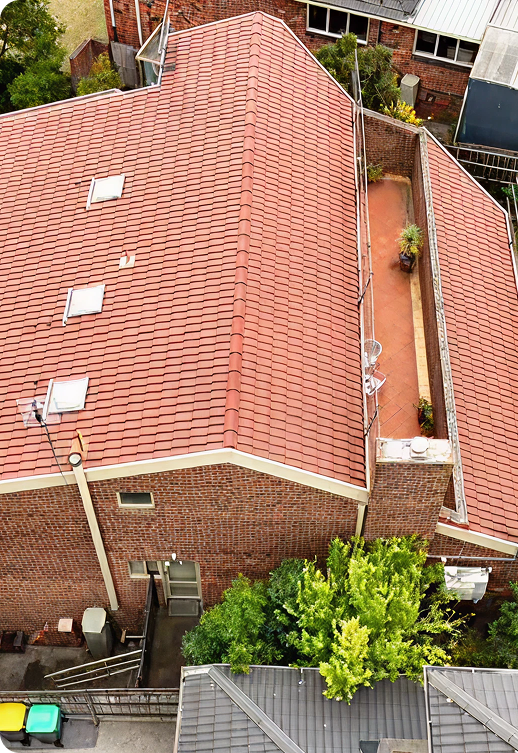
Every roof in Melbourne is built from one of a handful of roofing materials, and each one performs differently through changing weather. Your choice decides your repair bills, your roof's lifespan, and how well your home holds up through a Melbourne storm season.
At Modern Seal Roofing, we've restored over 20,000 roofs across Melbourne's south-east and eastern suburbs in 25+ years. Most homeowners only think about this once a leak appears, and by then the decision is rushed.
In this blog, we cover factors that affect your choice of roofing material, the differences between roofing materials, and which is suitable for your home. Reading this blog will give you more clarity and confidence while making a choice.
What Factors Affect Your Roofing Material Choice?
1. Identify Your Local Climate Needs
Melbourne gets heavy rain, strong winds, and sudden temperature swings, often in the same week.
Roof tiles, whether concrete roof tiles or terracotta roof tiles, handle heat well and hold their colour for decades. A metal tile roof or Colorbond roofing sheet sheds water fast and copes well with wind, but needs anti-rust treatment near the coast or under heavy tree cover; we see rust start at screw fixings and flashing joints first, well before the rest of the sheet shows any wear.
Roofs cleaned and resealed regularly cope with Melbourne's weather far better than roofs left alone for years. On tiled roofs specifically, we often find the first signs of failure in valleys and around chimney flashing, not on the tiles themselves.
2. Assess Your Roof Structure and Pitch
Cement roof tiles are heavy. Your frame needs to hold that weight, and your pitch needs to be steep enough for water to run off. Flat or low-pitch roofs generally can't take tile roofing materials, so metal sheeting becomes the safer choice.
We've inspected older Melbourne homes, particularly weatherboard builds from the 60s and 70s, where the original frame was sized for lighter timber shingles, not concrete tiles added in a later reroof. That mismatch is what causes slow sagging along the ridge line years down the track, not a sudden failure.
Get a professional from Modern Seal Roofing to check your pitch and frame condition before committing to any roofing material!
3. Weigh Lifespan Against Upfront Costs
Tile roof costs run around $40 per square metre (approx.), and metal roofing costs $48 to $58 per square metre. Tiles last longer, 40 to 70 years, with terracotta typically outlasting concrete when maintained.
Colorbond is lighter, quicker to install, and comes in more colours, but needs recoating sooner than tiles; usually the coating starts to chalk and fade within 15 to 20 years in direct sun, well before the sheet itself fails. If your roof is worn rather than failing, a roof restoration costs less than a roof replacement. Restoration in Melbourne runs between $6,000 to $8,000, depending on size, material, and condition.
4. Check Local Regulations & Guidelines
Melbourne councils set rules around roofing, especially in heritage-overlay suburbs or bushfire-prone zones. These rules can limit your material, colour, or finish. Check with your council before you settle on a look.
We've had jobs in heritage-overlay suburbs like Camberwell and Malvern East get held up because a homeowner picked a Colorbond colour that didn't match the streetscape guidelines, something a local roofer flags at the quote stage, not after the material's ordered. A local roofer who knows the codes saves you from picking a roofing material that gets flagged at council inspection or insurance assessment.
5. Research Warranty and Insurance Perks
A roof is a long-term investment, so the warranty matters as much as the material. Ask your insurer how your roof material affects your premium; some materials count as lower risk.
If your roof shows small issues, a roof tile repair or a fix for leaky roof repairs often avoids a bigger bill later. In our experience, most call-outs for a "leaking roof" turn out to be a cracked ridge cap or failed pointing, not a tile problem at all, which is a same-day fix rather than a full section replacement.
Difference Between Tile and Metal/Colorbond Roofing
Factor | Tile (Concrete/Terracotta) | Metal/Colorbond |
Upfront cost | ~$40/sqm (approx) | ~$48–$58/sqm (approx)
|
Lifespan | 40–70 years | Shorter, needs recoating sooner |
Weight | Heavy, needs strong frame | Light, fits more frame types |
Best pitch | Steep roofs | Flat or low-pitch roofs |
Weather | Handles heat, holds colour | Sheds water fast, handles wind |
Maintenance | Cleaning and resealing | Anti-rust treatment near coast/trees |
Which Roofing Material Should You Choose?
Choose tiles if you've got a steep pitch, a frame that can carry the extra weight, and want a material that lasts 40 to 70 years with little fuss. Choose Colorbond roofing or a metal tile roof if your roof has a flatter pitch, a lighter frame, or you're after a quicker installation with more colour options up front.
Your roof size, your suburb's weather exposure, and your council area all play a part too. A larger roof in a heritage-overlay or bushfire-prone suburb may have restrictions on material, colour, or finish, so it's worth checking with your local council first.
If your existing roof isn't failing but is showing its age - faded colour, a few cracked tiles, small leaks- that's a separate call, and often a roof restoration solves it without needing a new material at all. There's no best roofing material for every home, only the best one for yours, and that comes down to what your roof's structure, your location, and your budget can support.
Why Choose Modern Seal Roofing?
Material choice only holds up if the workmanship behind it does too. We've seen tiled roofs fail early because valleys weren't sealed properly, and Colorbond roofs rust out sooner because anti-rust treatment got skipped near the coast. That's the part a spec sheet won't tell you, and it's usually what separates a roof that lasts 40 years from one that needs work again in 10.
If you're weighing up your options and want an on-site opinion on what your roof's pitch, frame, and current condition can actually support, that's where a proper inspection helps more than another quote.
If you've been searching for tile roof restoration near you, we offer a free inspection across Melbourne's south-east and eastern suburbs, so the material decision is based on your roof, not a general guide.
What's the Takeaway?
Picking a roofing material isn't just about looks. It's about matching what's overhead to what your home actually needs, your weather, your frame, and your budget. Get that match right, and you won't be thinking about your roof again for decades. Get it wrong, and you're back here sooner than you'd like.
If you're still unsure which material fits your home, talk to Modern Seal Roofing before you decide, not after the tiles are already on the roof