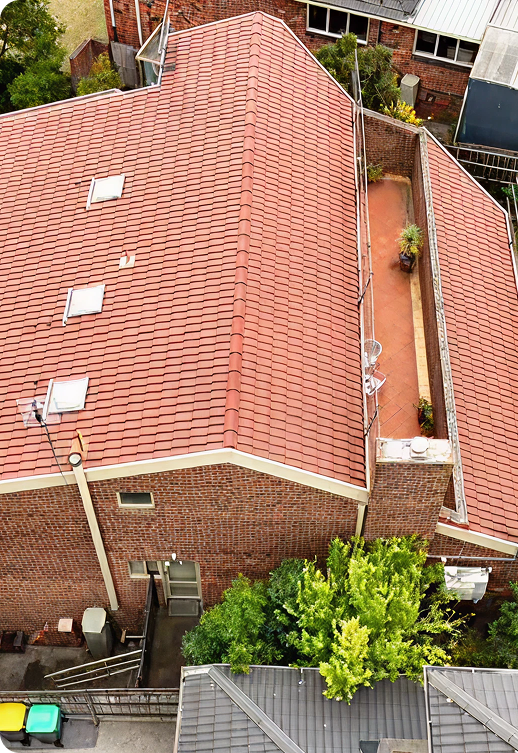
Owning a house is an achievement to be proud of; however, with the commitment of owning your own home, comes a plethora of responsibilities and challenges. Some of these responsibilities come with a price tag. Navigating potential issues to reduce this price tag requires dedicated time and effort.
Australia experiences climate extremities all year round, from blistering summer months to cold winters and stormy monsoon months. As the roof is the most exposed part of any house, it gets affected more than any area of the building. The structure doesn't deteriorate as fast as the roof does; therefore, it is necessary to have expert roofing contractors of Melbourneinspect your roof from time to time.
As a homeowner, you can do a roof inspection yourself or you canhire roof restoration expertsto do it for you. In either case,inspecting the roof on a regular basis is key to reducing repair costs.
How do I inspect a roof?
A visualroof inspection by you, the homeowner, will help to give you a basic idea of the condition of your roof. Modern Seal Roofing experts, however, will climb all over your roof and assess it thoroughly, which can be very difficult for a homeowner to do.
How to inspect your roof in five steps:
Carefully walk around the surface of the roof
Look for loose granules across the roof and around the exterior of the house
Check for water leaks
Identify the outline of any areas with water damage
Hire a professional for a complete assessment of your roof
Walk around the roof
To inspect the roof, take a careful walk around the surface of the roof to visually inspect any signs of damage of weathering. Apart from looking on top of the roof, check on the ground and surrounding areas for any loose granules or other roofing materials.
Assessment of the roof after a storm is especially advisable, in order to check for any damage and to stop water leakage.
Look for loose granules around the house
Heavy storms often lift the roof tiles, causing damage to the underlying material. The constant lifting of the tiles can lead to breakage. These granules of the roof tiles and sheets can then be found fallen on the ground, all around the house.
One of the other reasons for breaking of roof tiles is the constant banging of overhead branches, on the roof’s surface. With this in mind, it is advisable to have any overhead branches trimmed regularly.
Check for water leaks
Water leaks may not look serious, but they can be quite dangerous as they can compromise the structure of your house. If your ceiling is dripping, it’s an indicator that it requires serious roof restoration in Melbourne. Water leaks can weaken the structure, making it incapable of bearing weight.
If such leaks are left unattended, it may incur huge repair costs. At times, the damage may lead to complete roof replacement.
Identify areas of water damage
Once you notice there is water pooling or water leaks, you should start identifying where the areas of leakage are. Some of the common areas you can find traces of water easily are:
Roof attics
Ceilings of your home
Interior walls of the house
Roof tops
Near blockages in gutters
Hire professionals for a complete assessment of your roof
Modern Seal Roofing professionals have extensive experience and expertise in handling your roof and its related issues. Our experts have a record of successful completion of all roof-related problems.