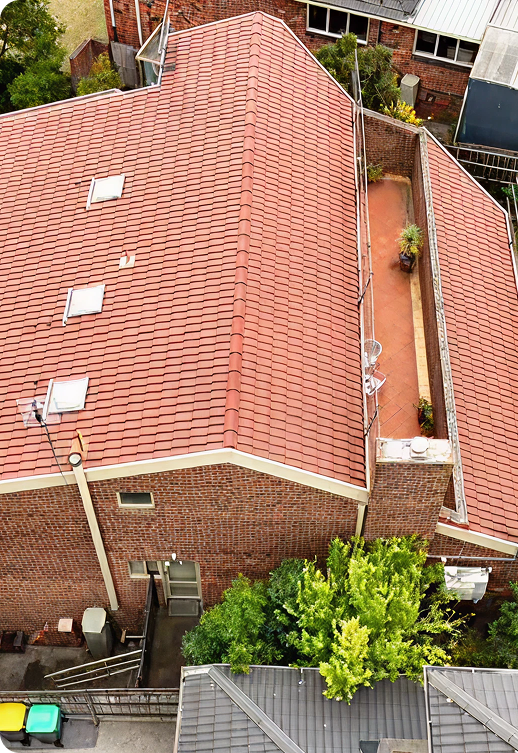
A damp patch on the ceiling after a heavy downpour is never a good sign. It's hard to know how bad it is or where it's actually coming from, and climbing onto a wet roof to check isn't exactly appealing either. Most of the time, the leak has been sitting there quietly for a while, hiding behind a rusted screw or a bit of lifted flashing, and it only shows up once the rain gets heavy enough to push through.
At Modern Seal Roofing, we've been doing roof leak repair across Melbourne for more than 25 years, so we've seen pretty much every version of this problem there is. To find and fix a metal roof leak, inspect the attic or ceiling for water stains, trace the path upward to the source, and check common trouble spots like loose or rusted screws, compromised seams, and damaged flashing.
In this guide, we will cover where leaks usually start, how to spot one early before it turns into a bigger problem, and how to fix it properly, so you know what to expect whether you're checking it yourself or getting someone out to look at it.
Where Does a Roof Leak Usually Start?
Most leaks don't start where the water actually shows up. Water travels along beams and rafters before it drips down, which is why the stain on your ceiling might be metres away from the real problem. If you're dealing with a leaky metal roof, here's where the team usually finds the culprit:
Around chimneys, skylights, and vents, where the roof has been cut into
Along roof valleys, where two roof sections meet, and water collects
Near old or rusted screws that have loosened over time
Where flashing has lifted, cracked, or pulled away from the roof line
Once you know these spots, checking your roof becomes a lot less overwhelming.
How Do You Detect a Roof Leak Before It Gets Worse?
Good roof leak detection starts inside your home, not on the roof itself. Grab a torch and head into the attic during or right after rain. Look for:
Dark or damp patches on timber beams
A musty smell, which often means moisture has been sitting for a while
Mould spots on insulation or ceiling boards
Peeling paint or a sagging patch on the ceiling below
If any of these signs show up, it's best to act quickly. A small leak today can turn into a much bigger repair bill, if it's left over a few seasons.
What's the Right Way to Fix a Metal Roof Leak?
Once the source is found, fixing it depends on what's actually wrong. Here's how the Modern Seal Roofing team approaches metal roof leak repair:
Loose or rusted screws – these get replaced with new, rust-resistant fixings and proper seals
Damaged flashing – this is one of the most common causes of leaks, and roof flashing repair usually means resealing or replacing the flashing around joints and edges
Split seams or panel damage – these are patched or resealed using proper roofing sealant, not just a quick fix from a hardware store
Blocked gutters or valleys – sometimes water isn't getting through the roof at all; it's just pooling and finding a gap
If you're searching for how to fix a leaking metal roof yourself, small fixes like resealing a screw can work as a temporary patch. But for anything involving flashing, valleys, or panel damage, it's worth getting a professional roofing team out, since a rushed fix often leaks again within a season.
Why Does a Roof Leak More After Rain?
This is one of the most common questions homeowners ask. If a metal roof is leaking after rain but seems fine on dry days, it usually means the damage is small and only lets water through under pressure, like heavy rain or wind-driven rain hitting the roof at an angle. It's also common with Colorbond roof leak repair cases, where the sealant around screws or flashing has worn down enough to let water in only during a proper downpour. This is exactly why leaks are so easy to miss until the damage inside the home is already done.
Why Choose Modern Seal Roofing?
We don't believe in a quick patch and a disappearing act. We've worked across Melbourne's south-eastern suburbs and metro areas for more than 25 years, and in that time we've completed over 2,000 roofing jobs. A few reasons homeowners keep choosing us:
Every job comes with a 10-year workmanship guarantee
We use our own in-house team, not subcontractors, so you always know who's on your roof
We've got experience across all roof types, including Colorbond, tiled, and metal roofs
We give honest, upfront advice, even when that means telling you a repair is enough and a full restoration isn't needed.
Conclusion
A leaking roof isn't something to leave for later. The sooner the source is found, whether it's a rusted screw, a lifted flashing, or a damaged seam, the easier and cheaper it is to fix. Some small issues can be managed as a DIY job, but anything involving flashing, valleys, or structural panels is best left to a professional roofing team that knows what to look for.
For anyone dealing with a leak and unsure where it's coming from, it's best not to wait for it to get worse. Get in touch with Modern Seal Roofing today for a free roof inspection, and the team will find the problem and fix it properly, the first time.