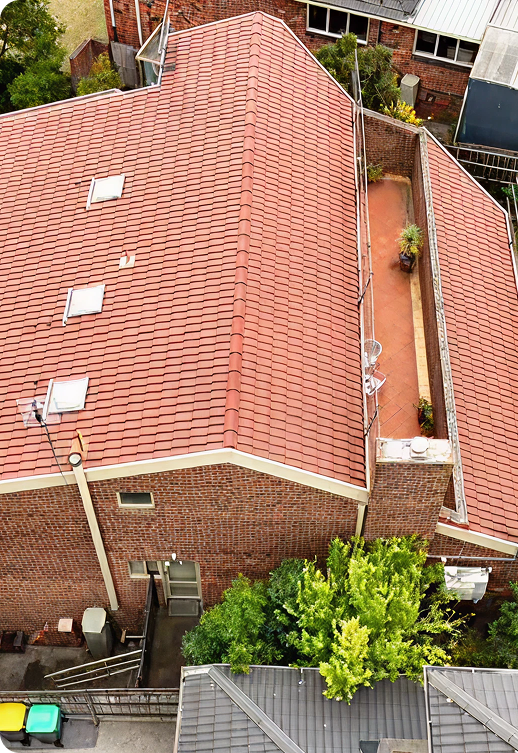
Roof damage doesn't always show up as a leak straight away. Some signs are small, and it's easy to miss them. Common causes of roof damage include severe weather like high winds and heavy rain, cracked or broken tiles, deteriorated metal flashings and valleys, clogged gutters, and general age-related wear and tear. The team at Modern Seal Roofing often sees these signs while inspecting roofs across Melbourne, and most of the time, the damage starts small and goes unnoticed for months before it worsens.
In this blog, we will explore where roof damage usually starts, the six signs to watch for, and what to do once damage is found.
What Causes Roof Damage?
Roof damage rarely comes from one single thing. Melbourne's weather shifts fast, and roofs suffer. A hot, dry stretch followed by sudden heavy rain puts real stress on tiles and sealant. Wind can lift edges and loosen fixings without anyone noticing straight away. Over time, this constant back-and-forth wears materials down faster than most homeowners expect.
Roof damage in Melbourne homes often traces back to roofs that are 15 to 20 years old and have gone without a proper inspection for years. Materials degrade slowly at first, then start failing all at once once they pass a certain point. A roof that's never been inspected is usually further along in this process than the owner realises, simply because nothing looked wrong from the ground.
Clogged gutters add another layer to the problem. When gutters can't drain properly, water sits along the roofline instead of running off. That trapped water seeps under tiles and flashing over time, which is why gutter cleaning is often the first thing an experienced roofer checks before looking anywhere else.
What Are the Signs of Roof Damage?
Most damaged roofs give some kind of warning before a full leak develops. Catching these signs of roof damage early is the difference between a small repair and a much bigger job. Here are six signs worth checking for:
Cracked or broken tiles – these let water straight through, and cracked roof tile repair is one of the most common jobs a roofing team gets called out for
Water stains or damp patches on the ceiling – these usually mean water has already found a way in, even if there's no visible drip yet
A sagging or uneven roofline – this often points to structural damage underneath, and it shouldn't wait
Granules or grit building up in the gutters – a sign that roofing material is breaking down faster than it should
Daylight visible through the roof boards – any gap like this lets in water, wind, and even pests
Rising heating or cooling bills – damaged insulation from a compromised roof often shows up in the power bill before it shows up visually
None of these signs means the whole roof needs replacing. But every one of them is worth a proper look before it gets worse.
Modern Seal Roofing offers a free roof inspection!
What's the Right Way to Fix Roof Damage?
Finding one of these signs is only the first step. What happens next depends on how far the damage has actually spread. A single cracked tile or a loose screw is often a straightforward roof repair, fixed in an hour or two. Damage around flashing, valleys, or multiple tiles usually needs more time and a closer inspection first.
For homes needing roof leak repair Melbourne-wide, tracing the actual source matters more than patching the spot where water shows up. Water often travels along beams before it drips down, so the visible stain and the real problem can be metres apart. This is one of the more common mistakes in DIY fixes: the visible spot gets sealed, but the actual gap higher up the roof gets missed entirely, and the leak returns the next time it rains.
Proper repairs use the right materials for the roof type, whether that's cement tile, terracotta, or Colorbond. A rushed patch job with the wrong sealant often fails within a season, costing more in the long run than getting it right the first time.
When to Book a Roof Inspection?
Roofs don't send an obvious signal when something's wrong, which is why timing matters. Booking a roof inspection Melbourne homeowners can rely on shortly after a bad storm is one of the best habits to build. Wind and heavy rain often loosen tiles or flashing without any visible damage from the ground, so a proper check catches what the eye alone would miss.
Roofs older than 15 years benefit from an annual inspection, even without an obvious problem. Materials naturally weaken with age, and catching early wear before it turns into a leak keeps costs down considerably. A roof that's inspected regularly tends to last longer overall, simply because small issues get fixed before they compound.
Why choose Modern Seal Roofing
Not every roof issue needs the same fix, and this is where experience actually shows. A roofer who's worked across hundreds of Melbourne homes can usually tell from a few signs alone whether a roof needs a simple repair or a full restoration, without guessing. Modern Seal Roofing has spent over 25 years working across cement, terracotta, tile, and Colorbond roofs, and that range matters because each material fails differently and needs a different fix.
Experience also means knowing when a repair is genuinely enough, and when it isn't worth pushing further. Some roofs look fine after a patch but keep leaking every few months because the underlying cause was never addressed. A team that's seen this pattern before knows to check further before calling the job done, rather than moving on to the next site.
This kind of judgement isn't something a quick online search can replace. It comes from having climbed onto enough roofs to know which signs matter and which ones don't.
Conclusion
Roof damage almost always starts small and quiet. A cracked tile, a damp patch, or a slightly uneven roofline are easy to overlook, but each one is worth checking properly before it turns into a bigger repair. Catching these signs early keeps the fix simple and the cost down. If any of these signs sound familiar, it's worth getting a proper look before the next heavy rain.
Book a free roof inspection with Modern Seal Roofing, and the team will point out exactly what's going on and what it actually needs!